
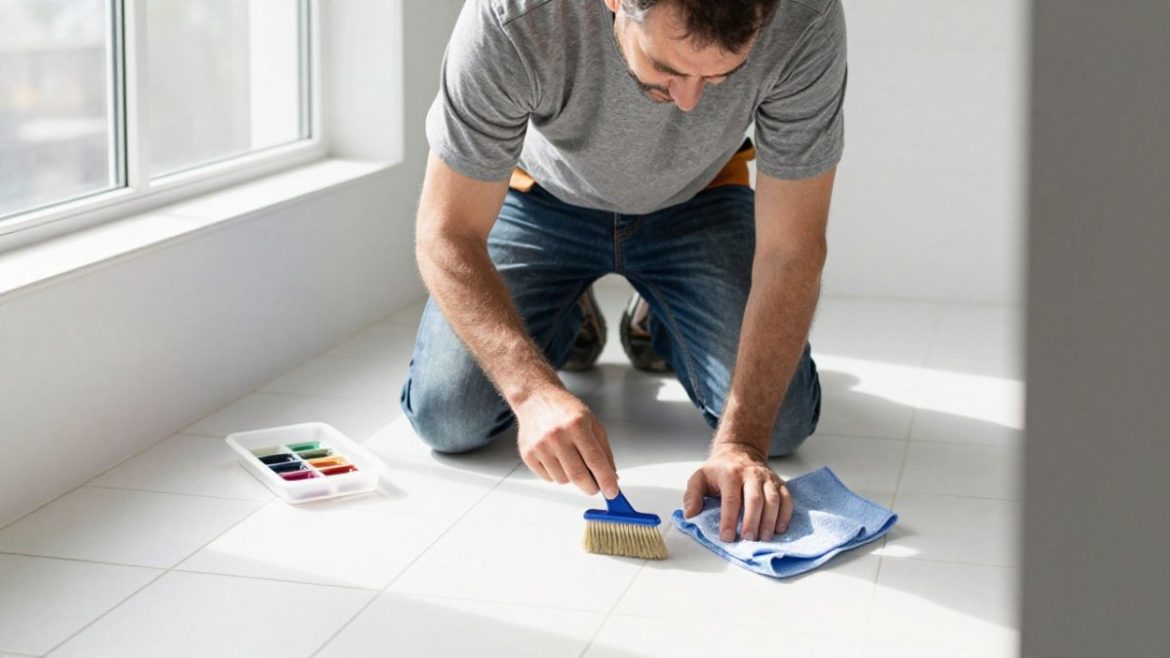
 Nov
23
Best Grout Restorer for Resale: What Actually Sells a Home
- November 23, 2026
- 0 Comment(s)
Quick Summary
The best grout restorer for resale depends on the grout’s condition: clean dirty grout, recolor faded or mismatched lines with a colorant, and repair cracked or missing grout before anything else. Buyers notice dark, stained grout, so restoring it before listing is a low-cost upgrade.
- Clean first if grout is dirty but intact; a cleaner will not fix cracks or permanent stains.
- Use a colorant for faded or mismatched grout, and test a hidden patch before committing.
- Repair cracked or missing grout before applying color, since color will highlight damage.
- Seal restored grout only after color and repair work has fully cured, following label drying times.
- Restoration cannot fix uneven subfloors, recurring efflorescence, or deep mildew, so disclose or repair those.
Table of Contents
- Why Grout Condition Affects Your Home Sale Price
- How We Evaluated Grout Restorers for Resale
- Best Grout Cleaner for Quick Pre-Sale Refreshing
- Best Grout Colorant for Changing or Matching Color
- Best Grout Repair Kit for Cracked and Missing Grout
- Choosing a Grout Sealer That Protects the Finish
- Your Next Step Before Listing: Restore, Repair or Replace
- Frequently Asked Questions
Last Updated: November 15, 2026
Best Grout Restorer for Resale: What Actually Sells a Home
A grout restorer can be the cheapest visible upgrade you make before listing a house, but only if you pick the right product for the job. Grout restoration and coloring products can change the way a buyer sees a bathroom or kitchen floor, so the right choice matters before a sale. Dark, stained grout makes tile look dirty even when it is clean, and buyers notice. This guide walks through the cleaners, colorants, repair kits and sealers that matter for a sale, and where each one fits.
Grout condition is one of the first things a buyer’s eye lands on in a bathroom or kitchen. Restoring it is usually far cheaper than replacing it, and a targeted fix often photographs and walks through better than a dirty floor does. Pricing depends on quantity, dates and delivery, so check the Grout Shield Distributors website for current prices or a quote before you buy.
Why Grout Condition Affects Your Home Sale Price
Grout is the most visible part of many tile installations, and it is often the first place discoloration shows. Stained or black grout signals neglect to a buyer, even when the tile underneath is sound.
Many agents recommend fixing grout before photos, because bright, even lines make a bathroom look recently updated. Buyers rarely calculate a dollar value for grout, but they remember a floor that looks worn. Restoring the grout is usually a smaller task than retiling, which is why it suits a pre-sale timeline.
Watch out: a restorer will not hide cracked or crumbling grout. Repair those lines first, then restore color.
How We Evaluated Grout Restorers for Resale
A useful product for resale should be judged on how well it cleans heavy staining, whether it can change or match color, how easy it is to apply without professional help, and how it holds up once a buyer walks through the room.
| Criterion | What we looked for | Why it matters for resale |
|---|---|---|
| Staining removal | Cleans dirt, soap scum and mildew | Clean lines are the first impression |
| Color change | Recolors or matches existing grout | Fixes faded or mismatched lines |
| Repair | Fills cracked or missing grout | Gaps and cracks look like a defect |
| Sealing | Protects the finish after restoration | Keeps the fix from fading within weeks |
| Ease of use | Workable for a homeowner | DIY can save money if the result is clean |
Best Grout Cleaner for Quick Pre-Sale Refreshing
Cleaning is the right first step when grout is dirty rather than permanently discolored. Start here if the lines look grey or dingy but are otherwise intact.
Best for: quick refreshes on bathroom tile before showings. Skip if: the grout is cracked or permanently stained, since a cleaner will not fix either problem.
Best Grout Colorant for Changing or Matching Color
A colorant is the right choice when cleaning will not bring grout back to a consistent shade, or when you want to change the color entirely. Grout Shield Distributors offers custom color matching, which helps when a stock shade will not match the existing lines.
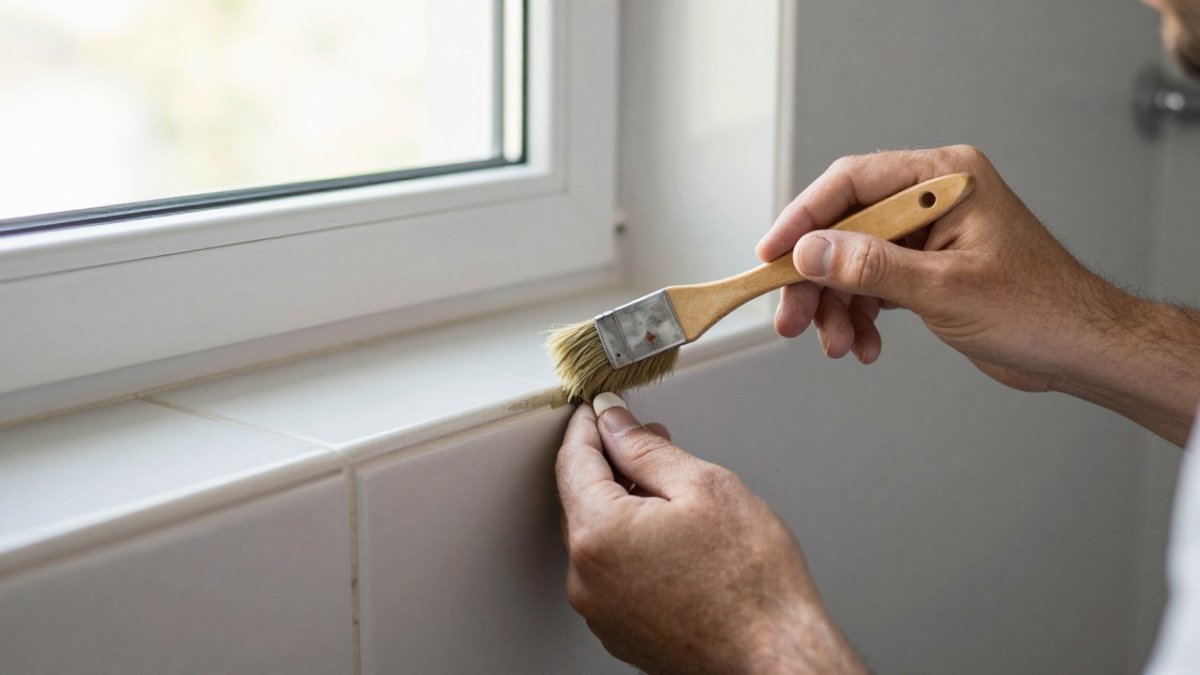
Colorant is not the same product as a cleaner, a sealer, or a grout stain, and mixing them up is the most common pre-sale mistake. A cleaner lifts dirt from the surface of the grout. A colorant coats the joint and deposits pigment to change or even out the color. A sealer adds a protective layer but does not change color. A penetrating grout stain soaks into porous grout and is typically used on new or fully cleaned installations. For resale, the practical rule is: clean first, then decide whether the color is acceptable, and only then choose a colorant if the lines are faded, mismatched, or a color a buyer will read as dated.
Colorants work best on intact, fully cured grout that is clean and dry. They are a poor fit for cracked, crumbling, or missing grout, because pigment over a failing joint highlights the defect instead of hiding it. They also will not fix efflorescence, mold that has penetrated the grout, or a joint that is physically lower than the tile. Repair and cleaning come first; color is the finish step.
Color matching is where most DIY colorant jobs succeed or fail. Custom color matching can help because stock shades rarely match an existing floor exactly. Test a hidden patch, under a vanity, behind a toilet, or in a closet, and let it cure fully before judging the color. Cured color can look different from wet color, and lighting in a bathroom differs from lighting in a hallway.
Application follows a predictable sequence. Clean the grout and let it dry completely. Mask or protect adjacent surfaces if the product requires it. Work in small sections, press the colorant into the joint, and wipe excess off the tile face before it sets. Respect the manufacturer’s recoat and cure windows; walking on a floor or exposing a shower to water too early is the most common cause of premature wear. A colorant that is applied too thick can leave a film on the tile, and a colorant applied over damp grout can fail to bond.
Watch out: a colorant is a cosmetic fix, not a structural one. If a buyer’s inspector flags cracked or soft grout, color will not resolve it, and a fresh color over failing joints can look worse after a few weeks of normal use.
Best for: homeowners who want a new color or a consistent match across a floor, and sellers whose grout is intact but faded, mismatched, or visually dated. Skip if: the grout is cracked, soft, mold-saturated, or still dirty, because color alone will not seal a gap or kill mildew.
Best Grout Repair Kit for Cracked and Missing Grout
Repair comes before restoration. If grout is cracked, crumbling or missing, a colorant or cleaner will only highlight the damage. Remove loose material, clean the joint, then fill and smooth it so the line looks continuous.
Repair is often the most time-consuming step, but it is also what turns a worn floor into one that looks cared for. Choose a kit that matches your grout type, since sanded and unsanded grout behave differently when filled.
Watch out: mismatched repair material can show as a different shade or texture, which can look worse than the original damage.
Choosing a Grout Sealer That Protects the Finish
A sealer protects restored grout from staining after the sale. Apply it once the color and repair work has fully cured, following the product’s drying times.
Sealers differ in how they handle moisture, so match the product to the room. Bathroom floors and showers face more water than a kitchen backsplash. Over-sealing can leave a film, so apply thin coats and remove any excess.
Your Next Step Before Listing: Restore, Repair or Replace
Start with a clear diagnosis of each room rather than a single house-wide decision. Grout condition varies by room, and the right move in a shower is often different from the right move on a kitchen backsplash. Walk each space and sort the grout into one of four buckets: dirty but intact, intact but faded or mismatched, cracked or missing, or failing beyond cosmetic repair.
Dirty but intact grout is a cleaning and sealing job. Intact but faded or mismatched grout is a colorant job, sometimes after cleaning. Cracked or missing grout is a repair job first, then color. Grout that is soft, crumbly across large areas, or backed by loose tile is a replacement conversation, and that is usually a contractor decision rather than a DIY one.
Room matters as much as condition. Bathroom floors and showers see the most water, so repair and sealing carry more weight there, and a colorant needs a full cure before the room is used. Kitchen backsplashes are lower-moisture and often more visible at eye level, so color consistency matters more than heavy-duty sealing. Hallway and living-area tile is judged at walking height and in photographs, which makes even color lines the priority. Match the product to the tile and grout type as well: sanded and unsanded grout behave differently, and some colorants and sealers are not intended for natural stone or certain tile finishes.
Cost framing helps you decide where to spend. A cleaner and a sealer are the lowest-cost path and are usually enough for a well-kept home. A colorant adds product cost and labor but can change the look of a whole floor. Repair adds time and skill, and replacement is the most expensive option by a wide margin. Restoration is often worth it in the rooms buyers see first, the primary bathroom, the kitchen, and the entry, and less worth it in utility spaces or rooms scheduled for renovation after the sale. Compare product and labor cost against the visual improvement, and avoid promising yourself a specific sale-price bump; grout affects perception, not appraisal math.
Timing is part of the decision. Work backward from your listing date. Cleaning and repair can usually be done well ahead of photos. Colorant and sealer need full cure time before the room is used or photographed, and cure windows vary by product, so read the label rather than assuming overnight. A practical pre-sale sequence is: diagnose each room, clean and dry, repair cracks and missing joints, apply colorant where needed, seal after full cure, then photograph in good light.
Set realistic expectations. Restoration can even out color, brighten white grout, remove surface mildew, and make a floor read as cared for. It cannot fix uneven subfloor movement, efflorescence that keeps returning, deep mildew that has penetrated the grout, or grout that is physically failing. Buyers and inspectors notice those issues regardless of color, so fix or disclose them rather than covering them.
Replacing grout across a whole house is rarely needed for a sale. Reserve it for rooms where the damage runs deep, and put your restoration budget where a buyer’s eye lands first.
Frequently Asked Questions
Does restoring grout actually increase a home’s resale value?
Clean, even-colored grout makes tile floors and showers look maintained, which matters to buyers touring a home. Restoring grout is a cosmetic improvement, so it will not fix underlying moisture or structural problems. Buyers and inspectors can usually tell a fresh surface from a cover-up, so use products that clean or recolor properly and set realistic expectations about the result. Pricing for any product varies by quantity and delivery, so check Grout Shield Distributors’ website for current prices or a quote.
Should you clean or recolor grout before selling a house?
Start with a thorough cleaning, because it shows you the true color and condition of the grout. If the grout is still stained or discolored after cleaning, a colorant can even out the appearance. Recoloring is best for uniform, moderate discoloration. Heavily cracked or crumbling grout usually needs repair before any color product is applied. Test any product on a small, hidden area first to confirm the color match.
How long do grout colorant and sealer take to dry before a showing?
Drying times depend on the specific product, temperature, humidity and how thickly it was applied. Read the product label for the manufacturer’s recommended cure time and plan to finish the work several days before a showing. Keep the room ventilated during drying, avoid water contact during the cure window, and keep the area clear of foot traffic. Allowing extra time reduces the risk of smudging, uneven color or a tacky finish that buyers would notice.
When should grout be repaired instead of restored?
Restoration works on grout that is structurally sound but stained, dull or mismatched in color. Repair is the better choice when grout is cracked, crumbling, missing in sections or loose enough that water can get underneath. Pressing on the grout line and checking for soft or hollow spots helps you decide. Repairing damaged sections before applying colorant or sealer prevents the new finish from failing early and giving buyers a reason to question the job.
