
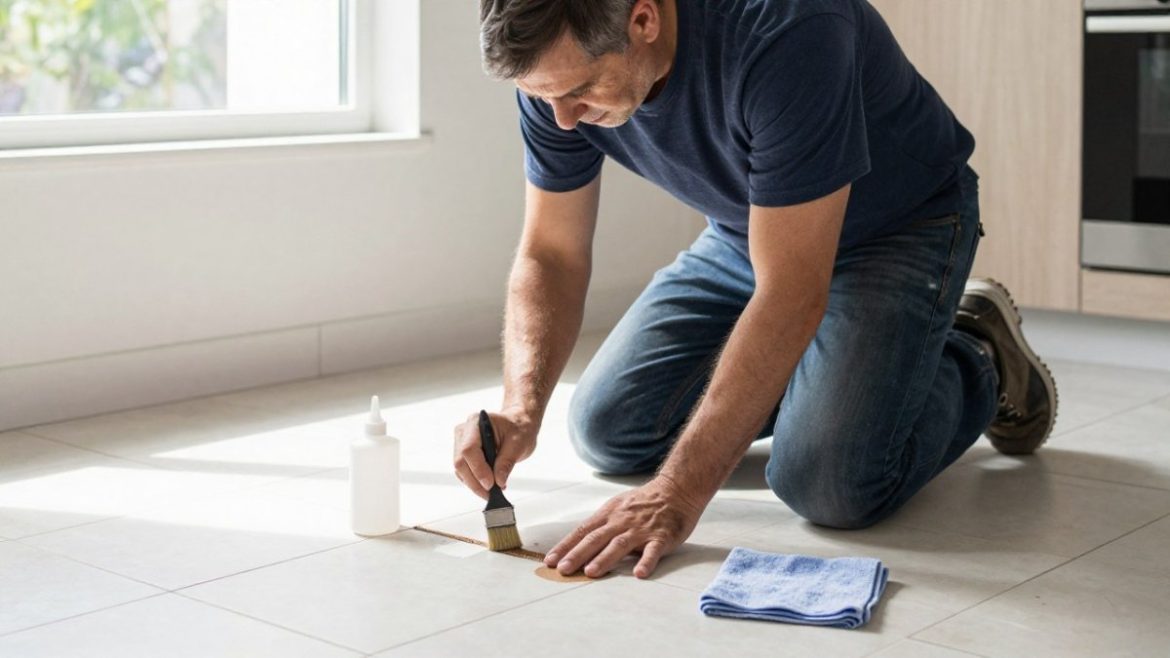
 Nov
23
5 Things Grout Colorant Can and Can’t Cover
- November 23, 2026
- 0 Comment(s)
Last Updated: November 21, 2026
Quick Summary
Grout colorant can hide some stains but not all of them. It works best on surface discoloration and dirt on the grout itself, and it changes only the color you see rather than removing what caused the stain. If a stain wipes away with a good scrub, colorant will usually hide any leftover shading, but deep or moisture-driven stains often return.
- Run the scrub test first: if color evens out after cleaning, colorant will usually cover the rest.
- Press a fingernail into the grout: crumbling or sandy grout means colorant is the wrong fix.
- Dark spots returning within 24 to 48 hours point to moisture or a deep stain.
- Clean and fully dry grout before applying colorant, since residue causes patchy results.
- Test a hidden spot first, because stain depth and grout porosity vary from one installation to the next.
Table of Contents
- How to Tell Surface Stains From Deeper Grout Damage
- What Gets Stains Out of Grout and What Colorant Can Hide
- Grout Stain Colors and Choosing the Right Shade
- How to Apply Grout Colorant to Stained Grout
- How Long Grout Colorant Lasts and How to Protect It
- Booking or Ordering Your Grout Refresh Kit
- Frequently Asked Questions
Grout colorant can hide some stains, but not all of them. It works best on surface discoloration and dirt that sit on the grout itself. The short answer is this: colorant is a cosmetic fix that changes the color you see, not a repair that removes what caused the stain.
Here is the practical rule most people can use. If the stain wipes away with a good scrub, colorant will usually hide any leftover shading. If the stain stays after cleaning, the result depends on how deep the discoloration goes. A common mistake is expecting colorant to erase black mold or stains soaked deep into porous grout. It will not.
Keep reading for a simple way to tell surface stains from deeper damage, what colorant can and cannot hide, and how to apply it correctly.
How to Tell Surface Stains From Deeper Grout Damage
Before you buy colorant, run a diagnosis. The goal is to answer one question: is the discoloration sitting on the grout, or has it become part of the grout? Colorant is a coating, so it can only hide what is on or near the surface. If the stain is structural or moisture-driven, a coating will fail early and may trap the problem underneath.
The three-test diagnosis
Work on a small, representative area, not a hidden corner that may not reflect the rest of the floor.
- The scrub test. Apply a grout cleaner or an oxygen-bleach paste, scrub with a stiff nylon brush for 30 to 60 seconds, rinse, and let the area dry completely. Compare it to an adjacent uncleaned joint. If the color evens out, the stain was surface-level and colorant will usually cover any remaining shading.
- The depth test. Press a fingernail or a plastic scraper gently into the grout line. Sound grout feels hard and uniform. If it crumbles, feels sandy, or flakes away, the grout is failing, and colorant will not restore it.
- The return test. Wait 24 to 48 hours. If dark spots reappear in the same place after cleaning, moisture or a deep stain is wicking back to the surface. Colorant may cover it briefly, but the discoloration will often telegraph through the new coating.
Reading the result
| What you see | What it means | Best next step |
|---|---|---|
| Color evens out after scrubbing | Surface dirt or light discoloration | Clean, dry, then apply colorant |
| Faint shadow remains but grout is hard | Moderate surface or near-surface stain | Colorant can usually hide it; test a spot first |
| Dark patch returns within two days | Moisture or deep stain | Find and fix the moisture source before any coating |
| Grout crumbles, cracks, or is missing | Structural failure | Remove and regrout the affected joints |
| Musty smell or soft grout near a shower | Trapped moisture or mold growth | Address the moisture and any mold remediation first |
Signs colorant is the wrong tool
- Crumbling, sandy, or missing grout. Colorant needs a solid substrate. It will flake off with the failing grout.
- Cracks running through the joints. A coating bridges hairline cracks at best; movement will reopen them.
- Dark spots that return within a day or two. This pattern usually points to moisture behind the tile, not a surface stain.
- A musty smell. That can indicate moisture trapped in the assembly, which a coating will seal in rather than solve.
Watch out: applying colorant over damp or actively leaking grout traps moisture and can lead to mold growth under the new color, so fix leaks and let the grout dry fully before coating.
When cleaning, sealing, or regrouting wins
Use this decision order. Clean first, because colorant over clean grout lasts longer and covers more evenly. Seal if the grout is sound and you only want stain resistance, not a color change. Regrout if the grout is failing structurally, since no coating fixes a crumbling joint. Choose colorant when the grout is sound, dry, and clean but still shows uneven color, light mildew shadows, or wear that cleaning cannot lift. If you are unsure, test a small area with the colorant itself and check it after a full cure before committing to the whole floor.
What Gets Stains Out of Grout and What Colorant Can Hide
Cleaning comes first, and colorant works best as the final step after the grout is clean and fully dry. The reason is mechanical: colorant forms a film over the grout face, so anything left on the surface, including soap film, oil, or old sealer, becomes a barrier that keeps the coating from bonding evenly. Clean grout takes colorant in a consistent tone; dirty grout takes it in patches.
Cleaners that actually remove grout stains
- Oxygen-bleach paste for general dirt, organic discoloration, and light mildew shadows. Mix to a paste, dwell 10 to 15 minutes, scrub, and rinse thoroughly.
- A grout cleaner matched to your tile type for everyday soil. Use a stiff nylon brush, not a wire brush, which can scratch tile and erode grout.
- Diluted mild detergent for soap scum and body oils in showers. Degreasing matters here because soap residue is a common cause of dull, dark grout lines.
- A pH-neutral rinse after any alkaline cleaner to remove residue that could interfere with adhesion.
Avoid mixing cleaners, especially bleach and ammonia products, and ventilate the room during cleaning and application (the CDC).
How colorant performs on specific stain types
Results depend on the stain, the grout’s porosity, and how long the stain has been there. A realistic breakdown:
- Mildew and mold shadows. Colorant hides surface mildew staining well once the area is cleaned and dry. It does not kill mold or fix the moisture that feeds it. If mold is growing inside porous grout or behind the tile, colorant may cover it briefly, but the stain can telegraph through and the underlying moisture problem remains.
- Soap scum and body oils. These usually clean up well with a degreaser. Any remaining film should be removed before coating, or the colorant may adhere unevenly and wear faster in the shower.
- Rust stains. Rust often comes from metal fixtures, hard water, or rebar, and it can penetrate deeply. Colorant may cover light rust shading, but heavy rust frequently bleeds back through or leaves a shadow. Fix the rust source first.
- Oil and grease. Kitchen grease soaks into porous grout. Degrease repeatedly until the rinse water runs clear, then let the grout dry for at least 24 hours. Residual oil is one of the most common causes of patchy colorant.
- Persistent discoloration from age or wear. This is the best case for colorant. If the grout is sound and clean but has faded or worn unevenly, a coating restores a uniform color.
What colorant can and cannot hide
Colorant can hide light to moderate discoloration left after cleaning, uneven color from years of wear, and minor mildew shadows on the grout surface. It is less effective on deep stains that never fully lift, black mold growing inside porous grout, and grout that is cracked or crumbling. A second coat improves coverage on faint shadows, but it will not erase a stain that is physically deeper than the coating.
Watch out: testing a small, hidden spot before treating the whole floor is the only reliable way to know whether a specific stain will cover, because grout porosity and stain depth vary from one installation to the next.
Grout Stain Colors and Choosing the Right Shade
Choosing the right color matters as much as choosing the product. Most colorant lines offer a wide range of shades.
Tips for picking a shade:
- Compare swatches against the tile and grout in natural daylight.
- Test on a scrap piece of grout or a hidden corner.
- For a new color, decide whether you want a close match or a clear change.
- Remember that light grout shows dirt faster than darker shades.
Grout Shield Distributors offers over 200 colors, including custom color matching.
How to Apply Grout Colorant to Stained Grout
Plan on a few hours of work, plus drying time. Gather your supplies first: gloves, a small foam brush or applicator, painter’s tape, a clean cloth, and a bucket of water.
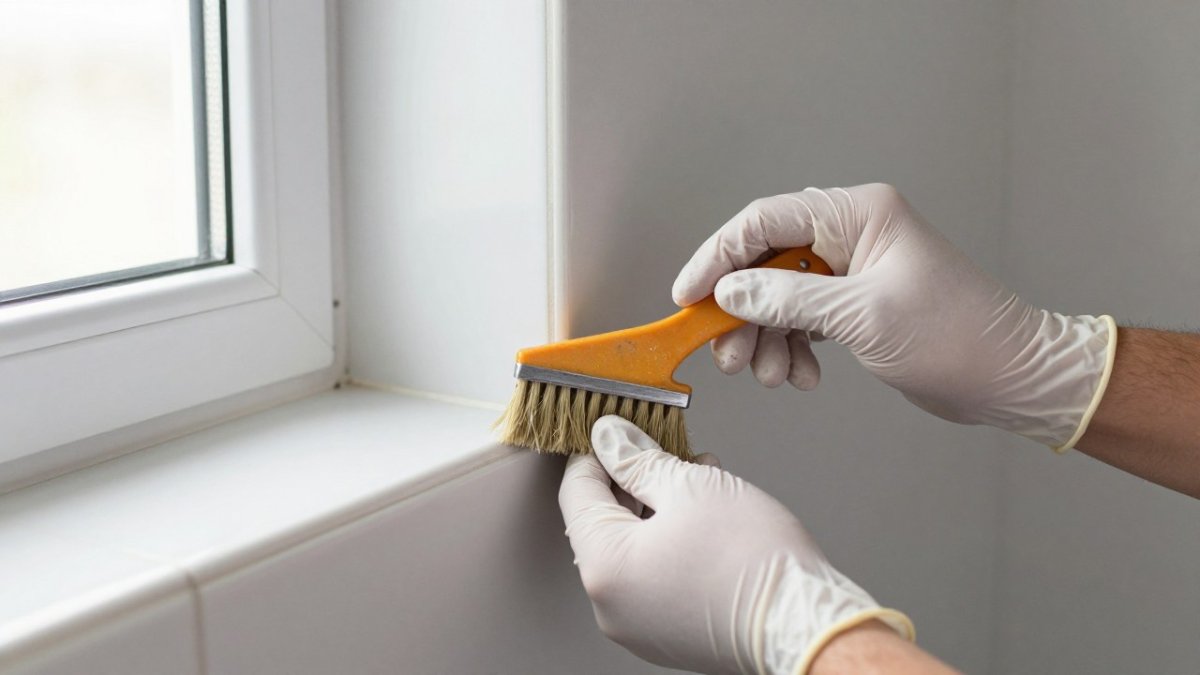
Follow these steps:
- Clean and dry the grout completely. Colorant will not adhere well to dirty or damp grout.
- Tape the edges of the tile where the grout meets it.
- Shake or stir the colorant so the color is even.
- Apply a thin coat to the grout lines using the foam brush. Work in small sections.
- Wipe excess off the tile right away with a damp cloth before it dries.
- Let it dry for the time listed on the product label, usually a few hours.
- Apply a second coat if needed for full coverage.
- Seal the grout once the colorant has cured fully.
Preparing and Cleaning the Grout First
Preparation decides most of your results. Grout that holds dirt or old sealer will not take color evenly. Remove any sealer residue, degrease the lines, and let everything dry for at least 24 hours.
Ventilate the room well and keep kids and pets out of the area. Most colorants are water-based and low-odor, but good airflow still helps. Check the label for any moisture or temperature guidelines before you begin.
Troubleshooting Stubborn Stains
Some problems come up often:
- Colorant looks patchy: The grout was not fully dry or was not cleaned well enough. Clean the area again and recoat.
- Color rubs off on the tile: Wipe the tile sooner next time, before the colorant sets.
- Dark spots still show through: The stain is too deep. Add a second coat, or accept that the color will be slightly uneven.
- Color looks too dark: Lighter shades can be used over darker grout only if the first coat is fully removed. Test first.
How Long Grout Colorant Lasts and How to Protect It
Durability depends on traffic, cleaning habits, and the quality of prep. In a shower or on a kitchen floor, colorant can last a good while with normal care. Heavy foot traffic, abrasive cleaners, and standing water will wear it down sooner.
To protect your work:
- Use a pH-neutral cleaner rather than harsh chemicals.
- Avoid scrubbing with steel brushes or abrasive pads.
- Reseal the grout periodically, as the label recommends.
- Fix leaks and ventilate bathrooms to reduce moisture buildup.
Good maintenance keeps the new color looking fresh and makes future cleaning easier.
Booking or Ordering Your Grout Refresh Kit
Ready to start? You can place an order online at Grout Shield Distributors or call 1-800-631-0716. Pricing depends on quantity, dates, and delivery, so check the website or call for a current quote.
Grout Shield Distributors offers free training, promotion, and pricing assistance for contractors.
Place An Order Online or Call 1-800-631-0716.
Frequently Asked Questions
Does grout colorant really work on stained grout?
Grout colorant can hide some surface discoloration on sound grout, but it will not repair cracked or crumbling joints. Always clean and dry the grout thoroughly before applying, and test a small hidden area first to confirm the color and coverage you get.
How long does grout colorant last?
Durability depends on traffic, cleaning methods and how well the grout was prepared before application.
Can you use grout colorant on epoxy grout?
Most standard grout colorants are formulated for cementitious grout and may not bond reliably to epoxy grout, which is non-porous and resists penetration. Check the manufacturer’s label for compatibility before buying, and if the product does not list epoxy grout, test a small hidden area and watch for peeling over several days.
Should you clean grout before applying colorant?
Yes. Cleaning and drying the grout before applying colorant is part of the standard preparation process.
